
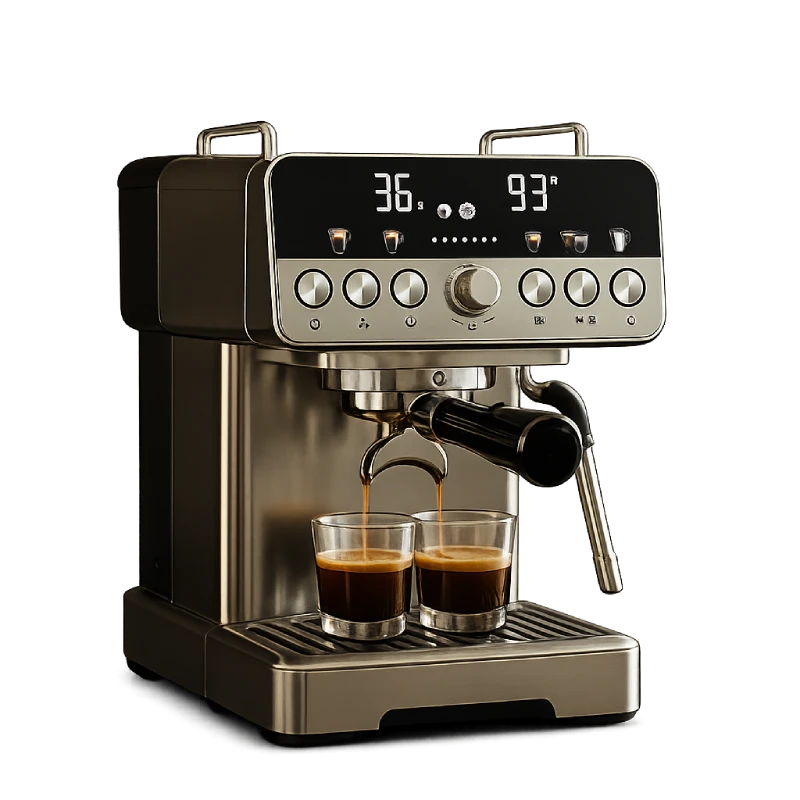
EM3220
A proven starting point for branded espresso machine development based on an existing product platform.
A proven starting point for branded espresso machine development based on an existing product platform.
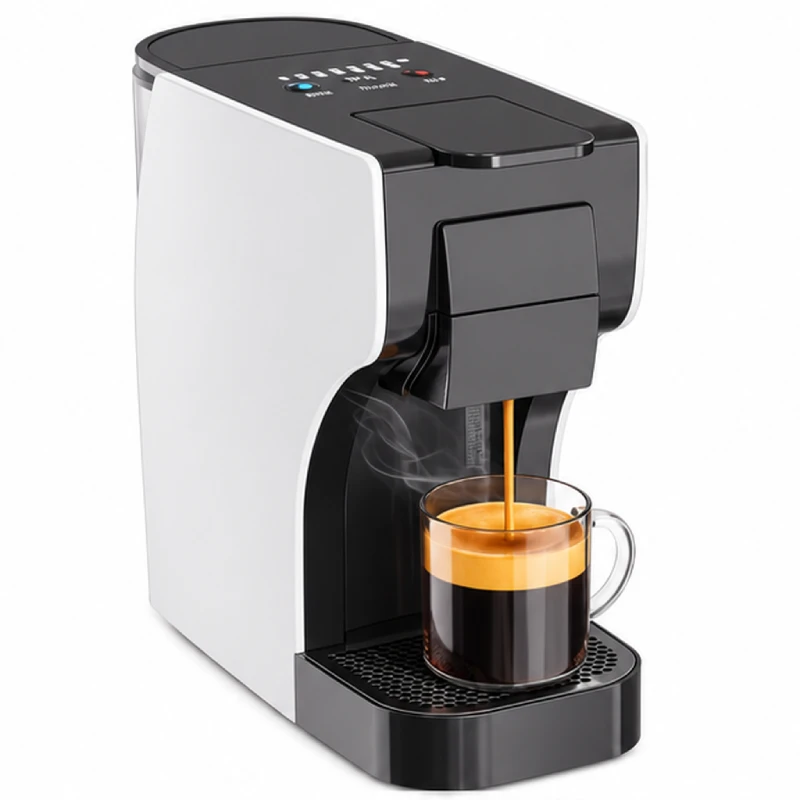
A compact platform for capsule coffee machine projects requiring further product differentiation and configuration.
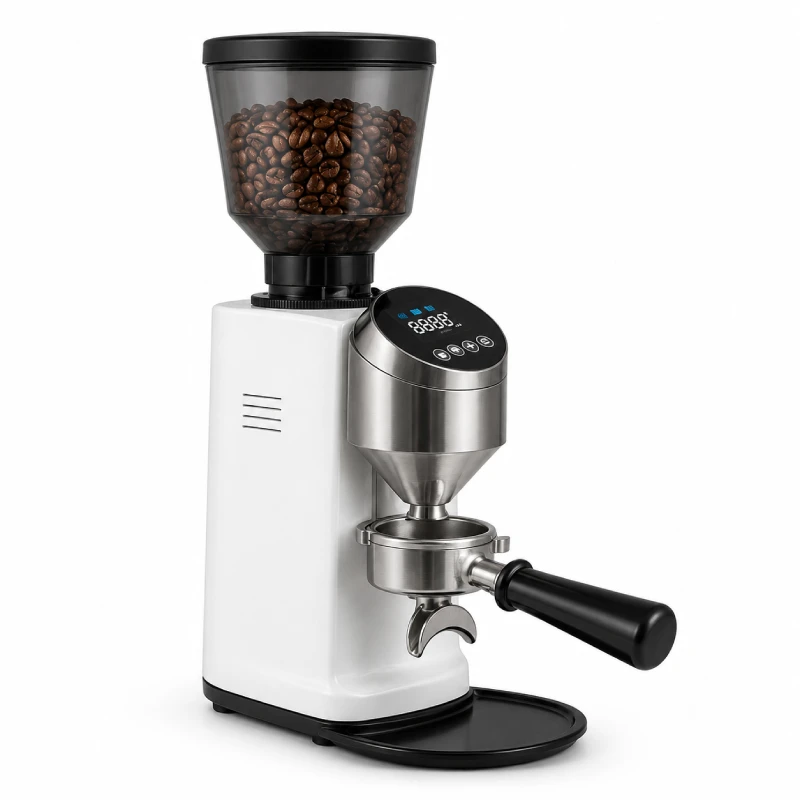
An espresso-focused grinder platform for projects requiring further product and configuration development.
Build on a proven YSELE product platform and develop selected areas around your product positioning and project requirements.
Suitable when you want to develop:
Go beyond standard platform modification when your project requires greater structural, functional or visual differentiation.
Suitable when your project involves:
A proven product platform can provide an efficient development starting point, while projects requiring deeper changes may involve additional engineering, prototyping and validation.
OEM is generally suitable when the product platform, specification or key requirements are already relatively clear and the project focuses on agreed product adaptation.
Typical project focus
Your product direction is largely defined, but selected adaptation and manufacturing support are required.
ODM is more appropriate when the project requires greater participation in product definition, design, engineering and development before production can begin.
Typical project focus
Your target product is defined at a higher level, but deeper design and engineering work is still required.
Final development scope is confirmed after project and engineering evaluation.
External styling, housing direction and visual differentiation can be explored where the selected platform and project scope allow.
Exterior form → Surface details → Visual identitySelected housing, structural and internal layout changes may be developed subject to engineering feasibility and platform limitations.
Housing → Internal layout → Structural detailsControl layout, displays, buttons and selected user interactions can be evaluated according to the product platform and project goals.
Controls → Display → User interactionSelected brewing, extraction, milk or other functional configurations can be reviewed around the intended product experience.
Brewing → Functions → Product experienceSelected electronics and component changes may be considered where compatibility, engineering review and validation can support them.
Components → Compatibility → ValidationProduct configuration can be evaluated around target-market requirements where the requested changes are technically feasible.
Target market → Product requirements → ConfigurationEach project is evaluated according to its product platform, development depth and engineering requirements. The exact work may vary, but the overall process follows a controlled path from definition to production preparation.
Define the target product, market, positioning, required functions and expected development direction.
Determine whether the project should build on an existing product platform or move into deeper development.
Review requested appearance, structural, functional and selected component changes for technical feasibility.
Translate the agreed development direction into a prototype or development sample for further review.
Review the developed product against the agreed functional, appearance and project requirements.
Confirm the agreed product direction and approved sample before moving the project toward manufacturing.
Transfer the approved product requirements into the specifications and preparation needed for manufacturing.
A successful development project should not move directly from an idea into mass production. Each major stage helps confirm the product direction before additional engineering or manufacturing resources are committed.
Actual development stages may vary according to platform, project scope and engineering evaluation.
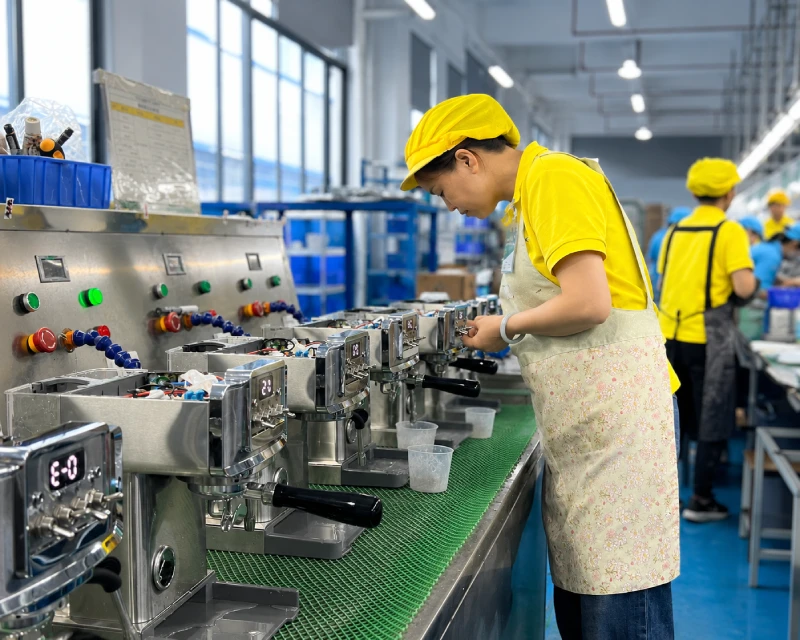
Product development should be reviewed from multiple perspectives before the approved direction is transferred into manufacturing.
A development prototype helps review the proposed product direction, key structure and selected engineering changes.
Focus → Development direction and structureSelected functions and user interactions are reviewed against the requirements agreed for the development project.
Focus → Functions and product experienceRelevant electrical and product safety considerations are reviewed according to the product and intended market requirements.
Focus → Product and market requirementsProduct appearance, materials and key visual details are reviewed against the approved development direction.
Focus → Appearance, materials and detailsA final project sample provides a reference for confirming the product state before production preparation moves forward.
Focus → Final product confirmationA selected configuration change is different from redesigning product appearance, structure or functional architecture.
Certain housing or structural changes may require new tooling rather than using existing production parts.
New components may require sourcing, compatibility review and product-level evaluation before they can be incorporated.
Structural or functional changes can influence multiple product areas and therefore require broader engineering coordination.
Development depth determines how much prototype review, functional validation and final product confirmation may be needed.
For this reason, tooling needs, engineering effort, sample stages and project preparation should be evaluated around the actual product concept rather than treated as fixed across all OEM/ODM projects.
Confirm the developed product and agreed sample as the reference for the next production preparation stage.
Define the agreed product configuration and key requirements that manufacturing should follow.
Prepare the materials and components required for the approved product configuration.
Use an initial production stage to review how the approved product transfers into the manufacturing process.
Check production output against the agreed product requirements before broader manufacturing proceeds.
Move the approved product into regular manufacturing according to the confirmed production requirements.
Complete the final preparation required for the manufactured products to move toward shipment.
What type of coffee equipment do you want to develop?
Espresso machine · Capsule machine · GrinderDo you have an existing YSELE platform, competitor product, concept image or other reference?
Existing model · Reference product · ConceptWhich brewing functions, user interactions or product features are important to the project?
Brewing · Controls · Product experienceDo you require new styling, housing or stronger visual differentiation from an existing product platform?
Styling · Housing · Visual directionWhich country, region or customer market is the planned product intended for?
Country · Region · Customer segmentIs the product intended for an entry-level, mid-range, premium or professional market position?
Entry-level · Mid-range · Premium · ProfessionalShare your expected initial order quantity or approximate purchasing volume if already known.
Initial order · Estimated annual volumeShare any known destination-market requirements or certification expectations relevant to the product.
Known market requirements · Certification expectationsWhen do you expect to launch, purchase or move the project toward production?
Target launch · Purchasing scheduleOEM generally starts from a more defined product platform, specification or customer requirement, with development focused on selected adaptations. ODM typically involves deeper YSELE participation in product concept, design, engineering, structure, functionality and prototype development.
Existing platforms can provide a practical starting point for development. Depending on the model and engineering feasibility, selected areas such as appearance, interface, functions, housing or internal configuration may be evaluated for modification.
New styling, housing direction and visual differentiation can be considered where the selected product platform supports them. Deeper housing or structural changes may require additional engineering work and, in some cases, new tooling.
Selected functional, brewing, interface, electronic or component changes may be evaluated according to the platform. Because one change can affect other product systems, feasibility and validation are reviewed before the development scope is confirmed.
New tooling may be required when a project introduces physical parts, housing or structural elements that cannot use existing production tooling. Tooling requirements are therefore determined only after the requested product changes have been evaluated.
After the development direction and engineering feasibility are reviewed, a prototype or development sample may be prepared to evaluate the proposed product. Feedback from this stage can guide further adjustment before final approval.
Helpful information includes the target product, reference model or concept, required functions, appearance direction, target market, positioning, expected volume, known compliance requirements and target project schedule.
Development depth, structural changes, tooling requirements, component changes, engineering complexity, prototype iterations and validation requirements can all affect the project. For this reason, development requirements are evaluated project by project.
After final approval, the agreed product configuration is transferred into production specifications, material preparation and manufacturing requirements. Initial production and quality review help confirm that the approved product can be reproduced consistently before broader production proceeds.