
You do not need a finished specification to start.
Share what you already have and we can first evaluate the development direction.
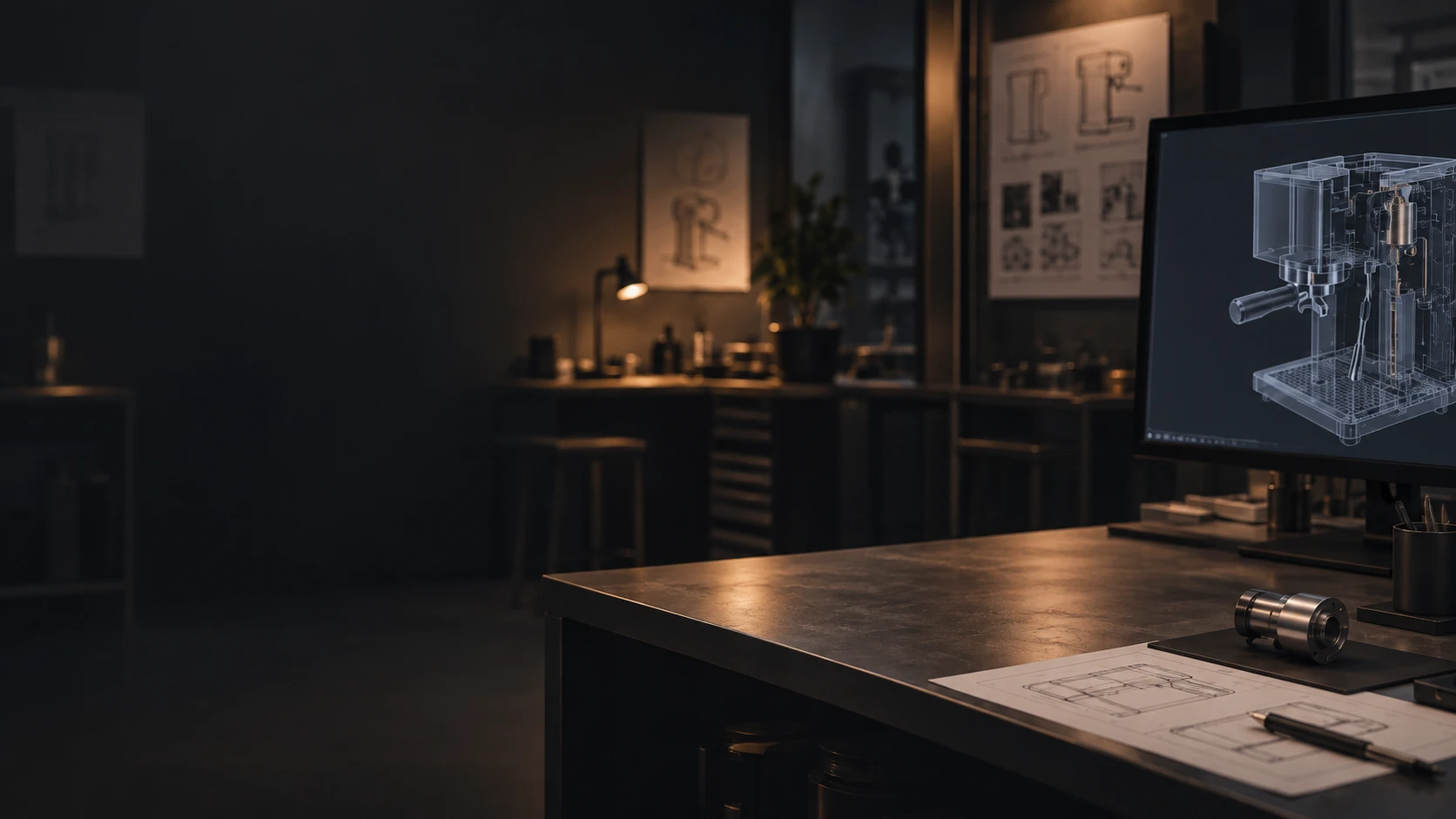
From an initial concept or reference product to engineering, prototyping, validation and mass production, YSELE supports custom coffee equipment development for brands and product companies.
Our coffee machine ODM projects can start from an early idea, a reference product or a specific technical requirement. We help turn that starting point into a workable, manufacturable product.
You have an idea, sketch or market requirement.
We help define the product direction, core functions, user experience and engineering architecture before moving into detailed development.
You need the product to perform a new or different function.
We evaluate technical feasibility and develop the required systems, from brewing and heating to liquid handling, cleaning and electronic control.
You need a new internal structure or mechanical solution.
We develop product architecture, component placement, mechanisms and assembly structures with manufacturability, reliability and serviceability in mind.
You already have a product or reference machine to improve.
We can evaluate its structure, functions and user experience, then develop a differentiated solution with improved performance, usability or production feasibility.
You do not need a finished specification to start.
Share what you already have and we can first evaluate the development direction.
Idea · Sketch · Reference Product · Sample · Functional Requirement
See What We Need From You →Original project imagery pending upload
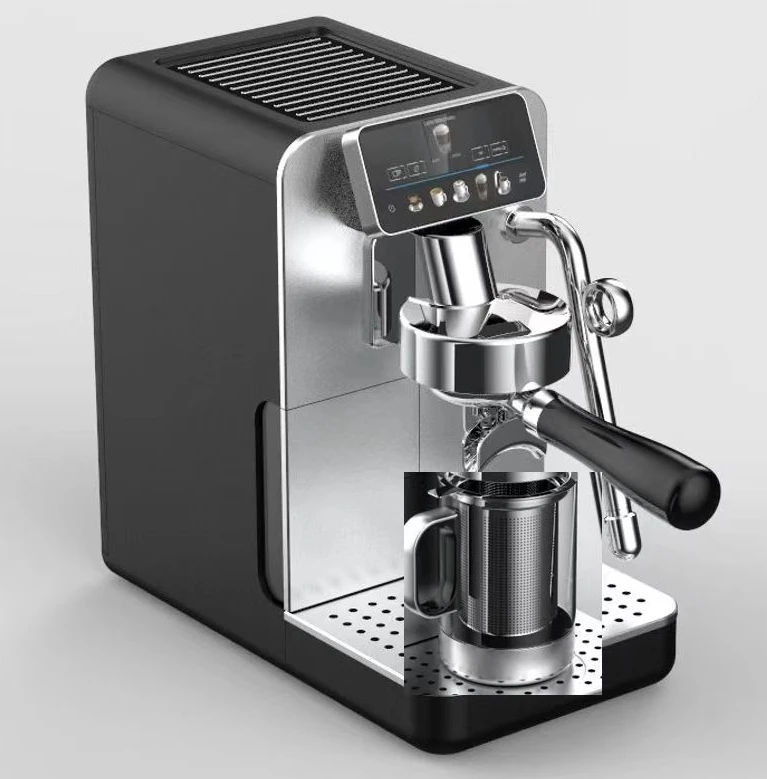
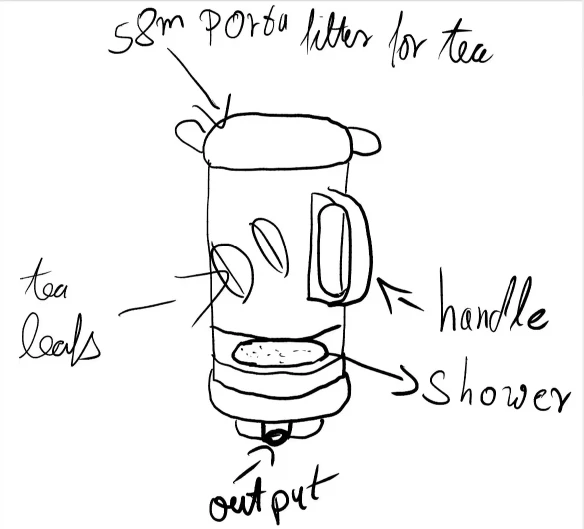
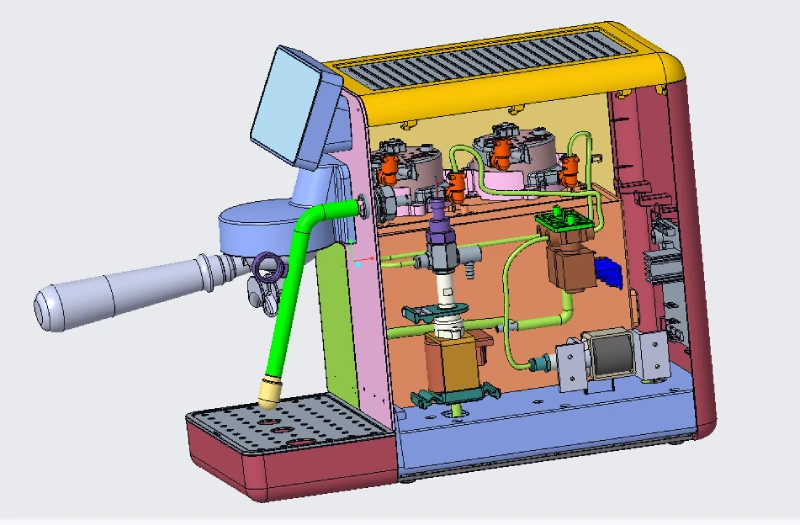
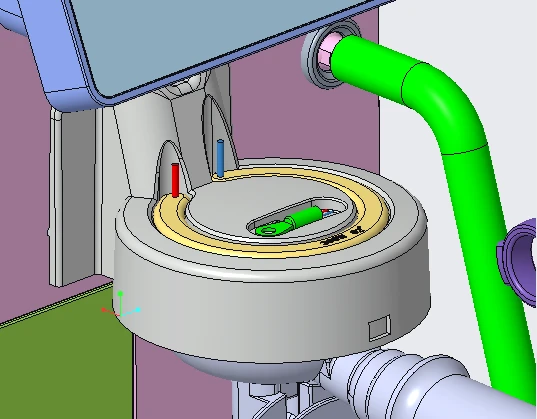
Develop a professional coffee machine combining espresso and tea preparation in one product platform.
— 58 mm portafilter
— Heated portafilter
— Digital screen
— Dual-boiler system
— Coffee and tea functions
Develop a professional coffee machine combining espresso and tea preparation in one product platform.
— 58 mm portafilter
— Heated portafilter
— Digital screen
— Dual-boiler system
— Coffee and tea functions
Original project imagery pending upload
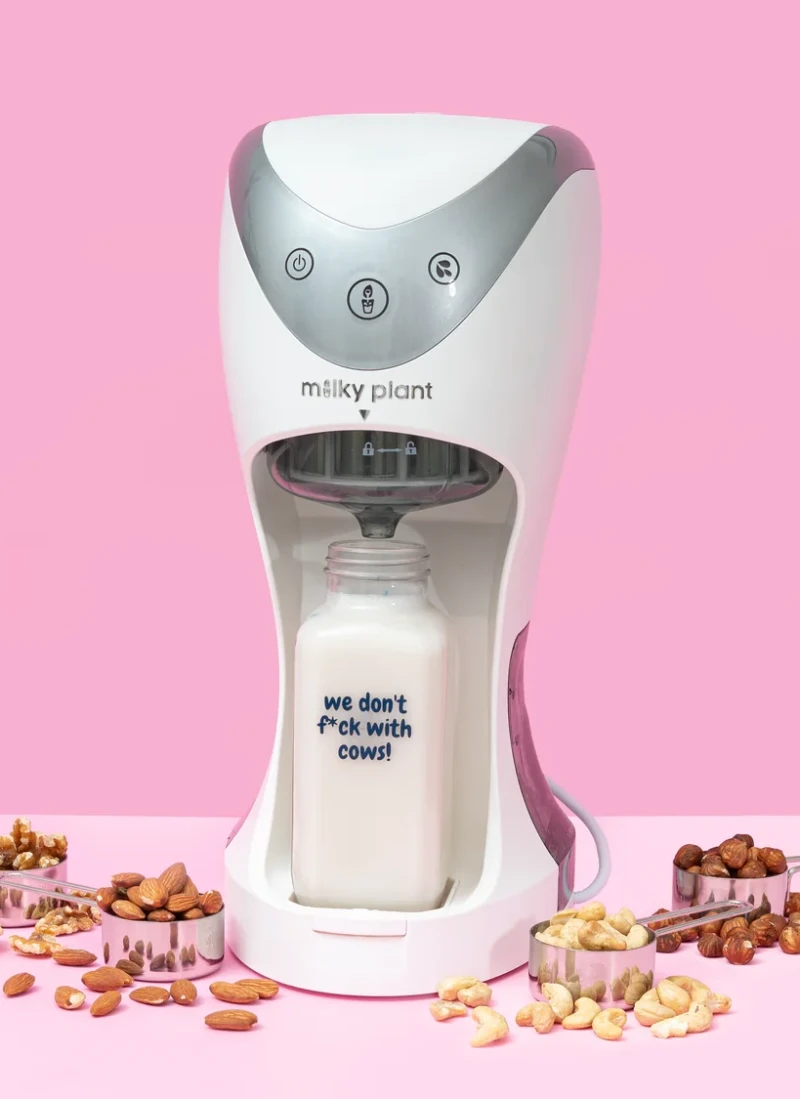
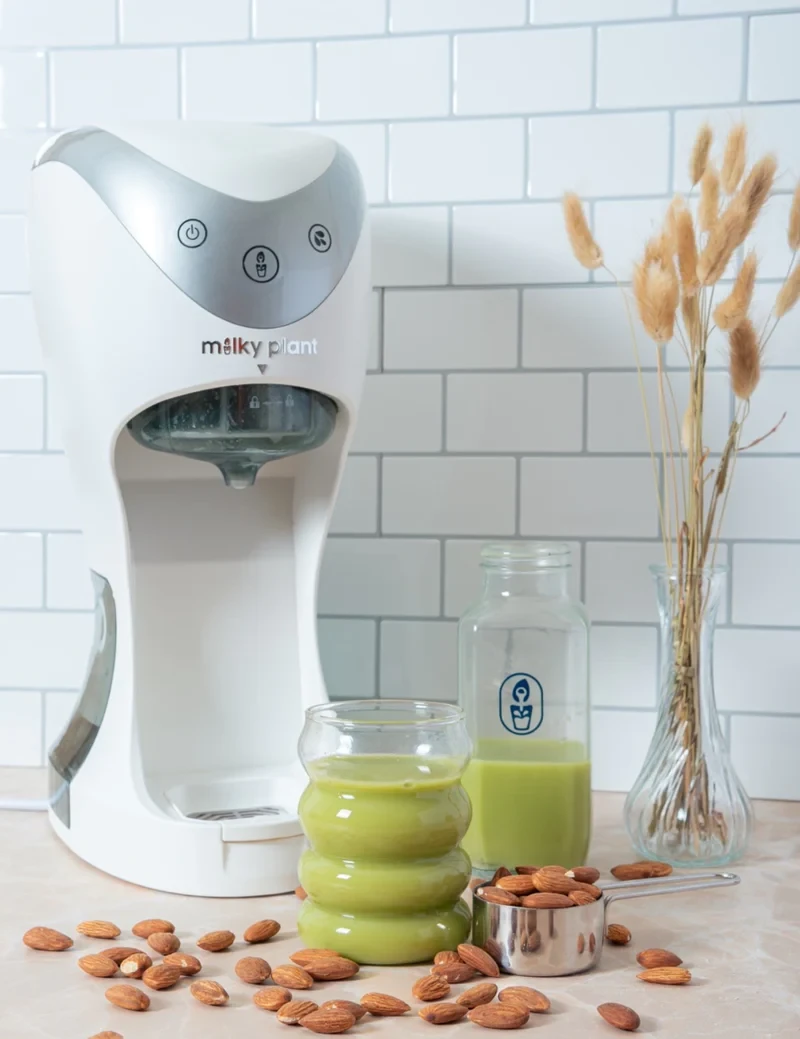

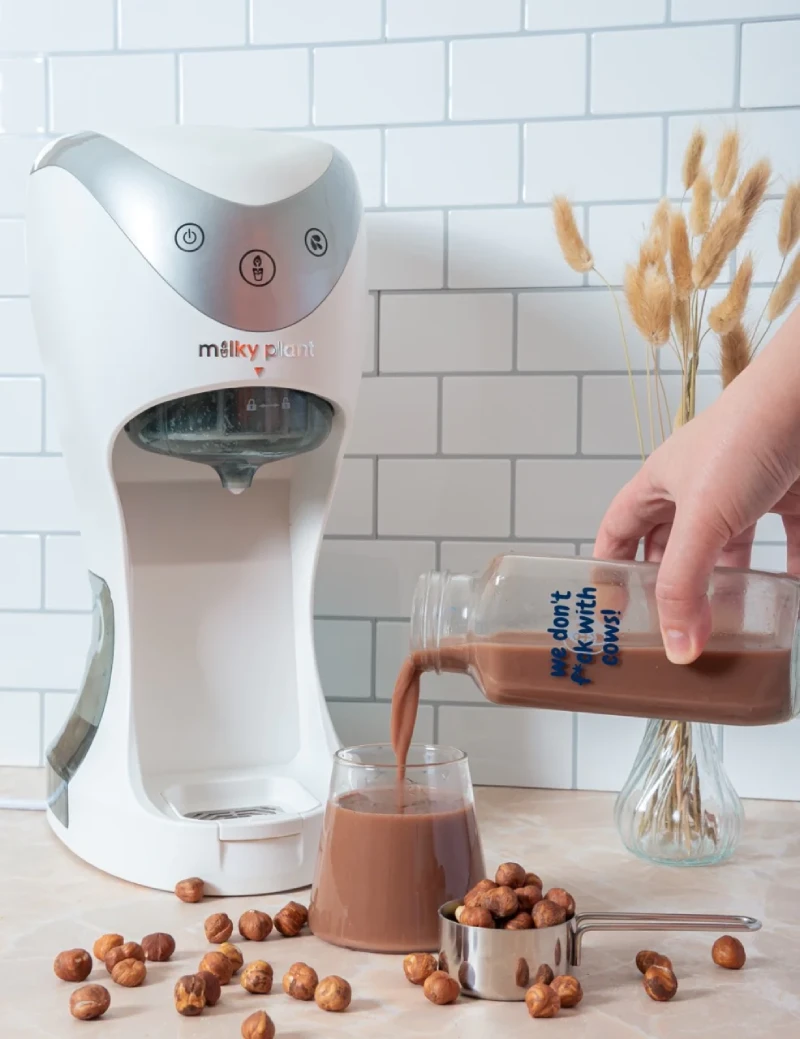
Develop a machine for making nut milk quickly while reducing particles in the finished liquid and simplifying cleaning.
— Nut milk preparation
— Milk preparation within 90 seconds
— Automatic cleaning
— Dedicated dispensing system
Develop a machine for making nut milk quickly while reducing particles in the finished liquid and simplifying cleaning.
— Nut milk preparation
— Milk preparation within 90 seconds
— Automatic cleaning
— Dedicated dispensing system
Original project imagery pending upload
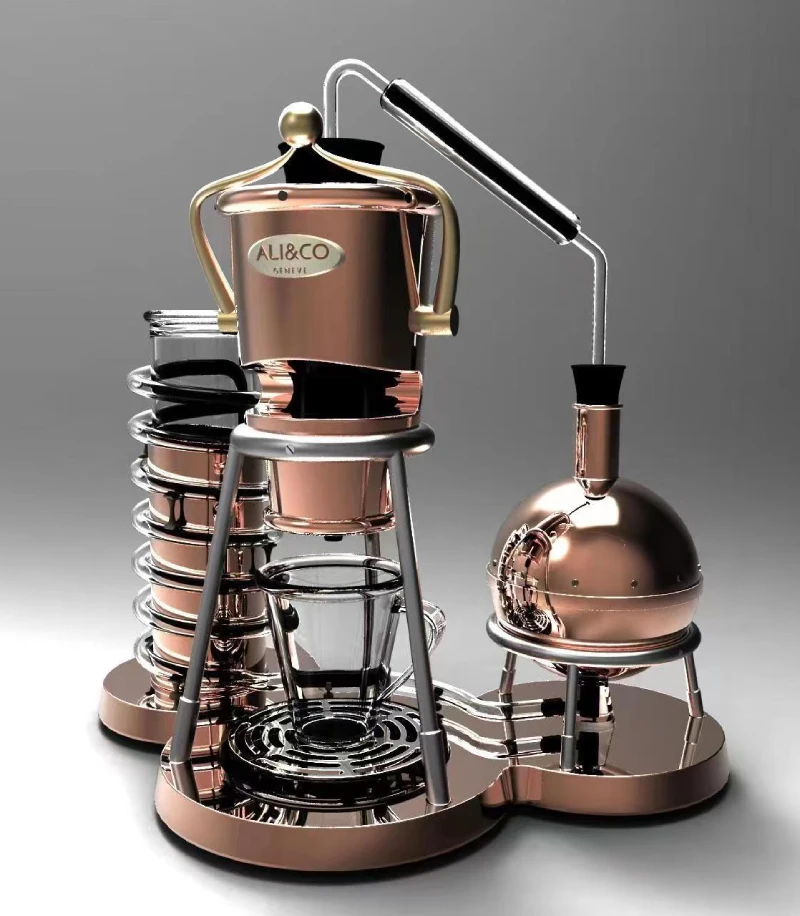
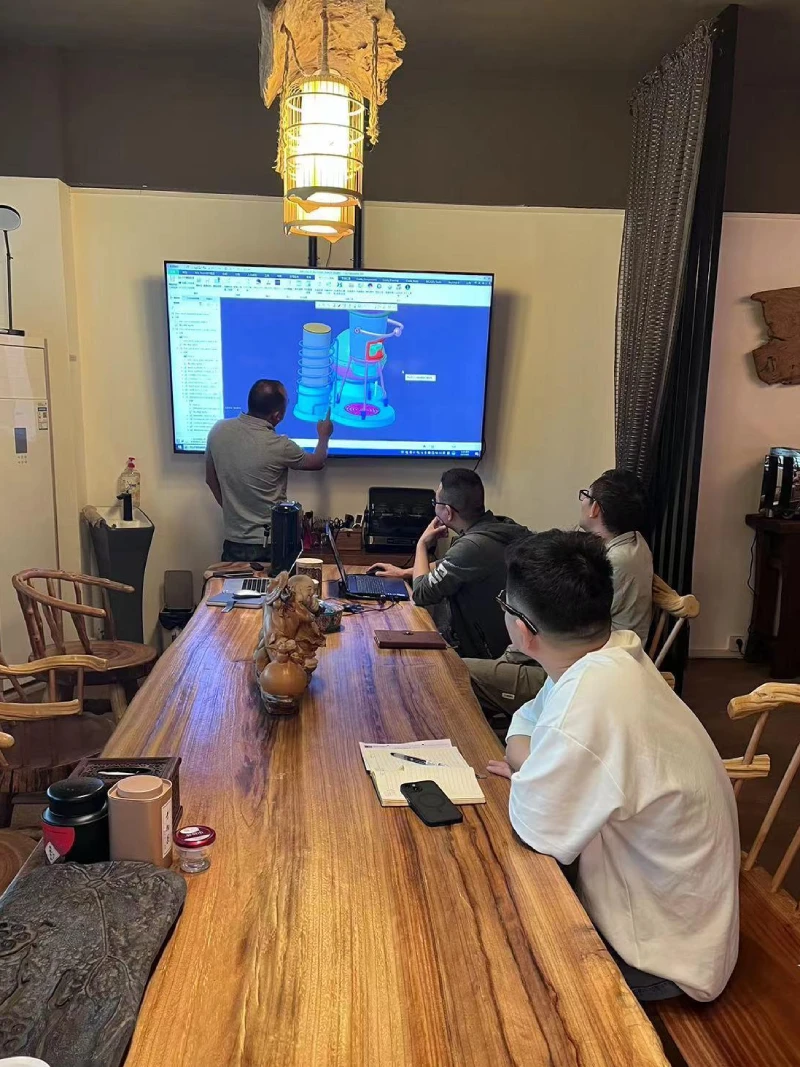
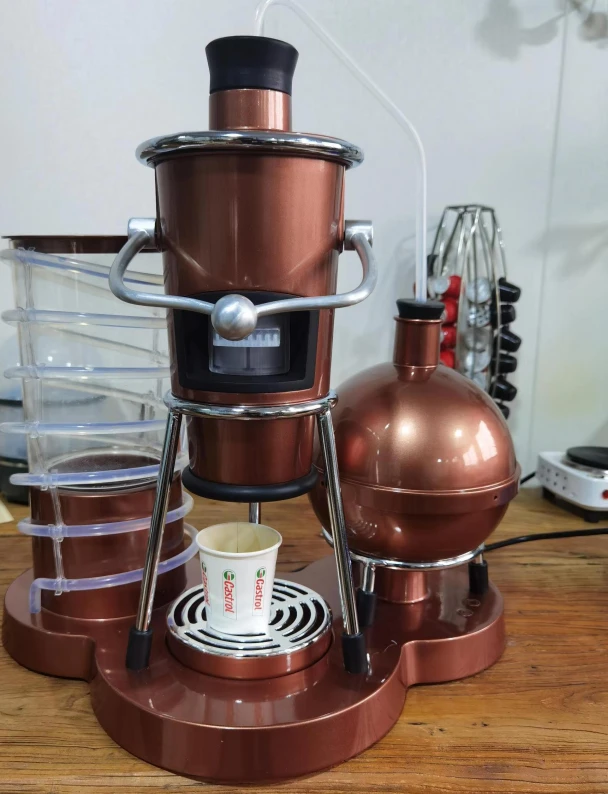
Create a new capsule coffee machine designed to function as both a beverage appliance and a distinctive visual object for high-end residential spaces.
— Distinctive retro appearance
— High-end product positioning
— Custom product concept
— Apartment-focused use scenario
Create a new capsule coffee machine designed to function as both a beverage appliance and a distinctive visual object for high-end residential spaces.
— Distinctive retro appearance
— High-end product positioning
— Custom product concept
— Apartment-focused use scenario
Original project imagery pending upload
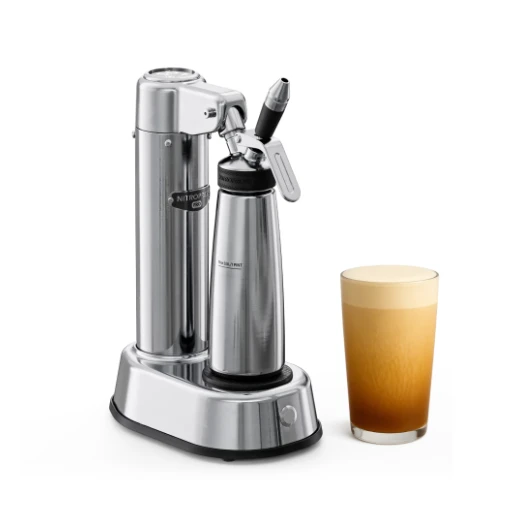
Develop a system that creates nitro from air without requiring a nitro cartridge, then mixes it into coffee and other beverages.
— Generate nitro from air
— No nitro cartridge required
— Mix nitro into coffee and other liquids
— Create a smooth, creamy beverage output
Develop a system that creates nitro from air without requiring a nitro cartridge, then mixes it into coffee and other beverages.
— Generate nitro from air
— No nitro cartridge required
— Mix nitro into coffee and other liquids
— Create a smooth, creamy beverage output
We clarify what the product needs to do before detailed engineering begins.
The objective is to define what needs to be developed before committing resources to detailed engineering.
The agreed product direction is translated into a workable engineering solution.
A physical prototype is used to turn engineering decisions into something that can be evaluated in practice.
Critical functions and design decisions are evaluated before the project moves toward tooling and production.
Once the key design and validation decisions are confirmed, the project can move toward production preparation.
Can the required functions and product structure be engineered into a reliable, manufacturable solution?
What needs to be proven before the product is ready for tooling or production preparation?
What tooling investment and production scale are appropriate for this specific product?
What determines the realistic development budget, schedule and commercial scope?
Identify the major technical questions, constraints and areas that require further verification.
Define whether the next step should focus on engineering, prototype development or additional project definition.
Clarify what additional information is required before development cost, tooling or production planning can be refined.
Yes. You do not need a complete technical specification to begin the first discussion. An initial idea, sketch, reference product, photo, sample or functional requirement can be enough for us to understand the direction and identify the next questions.
If the project is still at an early stage, the first step is usually to clarify what the product needs to do, who it is for and which parts require further engineering evaluation.
OEM is usually the better fit when you select an existing product platform and customize elements such as branding, appearance, packaging or available options.
ODM is more appropriate when the project requires new product definition, structural changes, new functions, engineering development or a substantially different product solution. If an existing YSELE product already meets most of your requirements, OEM may be the more efficient route.
No. CAD drawings can be useful when they already exist, but they are not required for an initial project review.
Depending on the development stage, you can start with a concept, sketch, sample, product photo, reference machine, function list or written brief. More detailed engineering information can be developed or clarified later if the project moves forward.
Yes, when the project requires physical verification before tooling. Prototypes can help evaluate functions, structure, component fit, assembly and user interaction before larger production investments are made.
The type and number of prototypes depend on the product complexity and what needs to be validated.
There is no single standard timeline for every ODM project. Development time depends on factors such as product complexity, new functions, structural changes, prototype requirements, validation work and tooling.
After the project scope is better defined, we can discuss the main development stages and a more realistic schedule.
They are evaluated according to the actual project scope.
Development cost is influenced by the amount of engineering and prototype work required. Tooling depends on the number and complexity of newly developed parts. MOQ is also affected by components, manufacturing processes, tooling and the expected production model. We therefore prefer to review the project before giving a commercial recommendation.
Target-market requirements should be identified early enough to influence product definition and engineering decisions where relevant.
The exact compliance path depends on the product type, electrical configuration, functions and destination market. Required testing or certification should therefore be confirmed for the specific project rather than assumed from a standard package.
Sensitive project information should be shared only to the level needed for evaluation at each stage. If additional confidentiality arrangements are required before detailed technical information is exchanged, they can be discussed as part of the project process.